


Biogas Plant Crash Risks: Causes of a Sour Digester, Consequences and Prevention Strategies
A biogas plant crash rarely begins with one dramatic event. More often, organic acids accumulate, buffering capacity declines, methane production weakens, and operators discover that the digester can no longer process its normal feed rate. This condition is commonly described as a sour digester, an overloaded digester or an anaerobic digestion process upset. If it […]
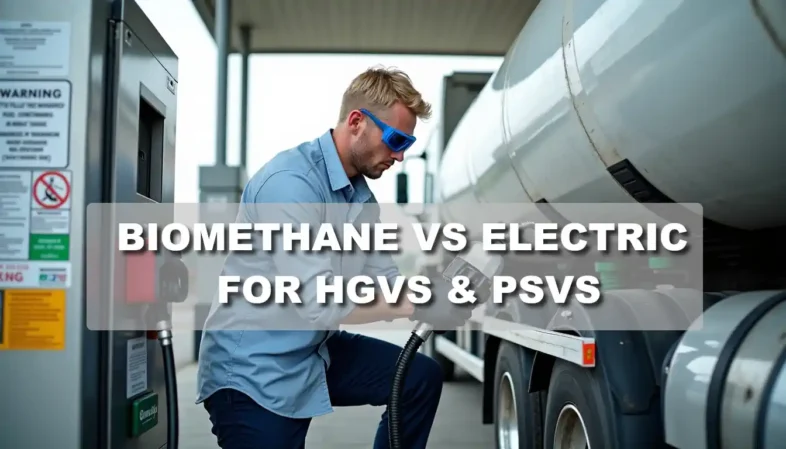
Biomethane vs Electric HGVs & PSVs: Which Technology Will Decarbonise Heavy Transport First?
Biomethane and battery-electric trucks are often presented as competing solutions for decarbonising heavy road transport. That comparison is too simple. The most appropriate technology depends on the work the vehicle must perform, the distance it travels, where it returns at the end of a shift, the available energy infrastructure and the source of the renewable […]

HomeBiogas vs. Puxin: Which Home Biogas Digester Is Best for the Price?
HomeBiogas and Puxin are top choices for home biogas digesters, each suited to different needs. HomeBiogas is perfect for simple urban use, while Puxin thrives in larger, colder settings. Factors like climate, waste, and space matter more than price when choosing the best system for you…
How Anaerobic Digestion Reduced Farm Fertiliser Costs to One Third
Can anaerobic digestion materially reduce a farm’s fertiliser costs? The answer depends on the feedstocks, crops, land availability, digestate analysis, storage and spreading arrangements. However, one established Irish biogas plant reported a particularly striking result: annual fertiliser costs that had previously been about €100,000 were reduced to one-third of that level. This article examines how digestate […]

Ultrasonic Pretreatment for Higher Biogas Yields
Ultrasonic pretreatment uses high-intensity sound waves to break apart sludge flocs, microorganisms and some forms of biomass before anaerobic digestion. Also known as ultrasonic disintegration, the process can make more organic material available to the microorganisms responsible for producing biogas. The technology is attracting interest from operators seeking higher methane yields, shorter digestion times, reduced […]

Precision Machining and Metal Fabrication for Anaerobic Digestion Pumps
Anaerobic digestion plants may be recognised by their large tanks, pipework and gas holders, but some of their hardest-working components are hidden inside pumps and macerators. Precisely machined rotors, shafts, wear plates, cutting parts and sealing surfaces help keep abrasive, fibrous feedstock moving towards the digester—and keep a small mechanical problem from becoming a costly […]
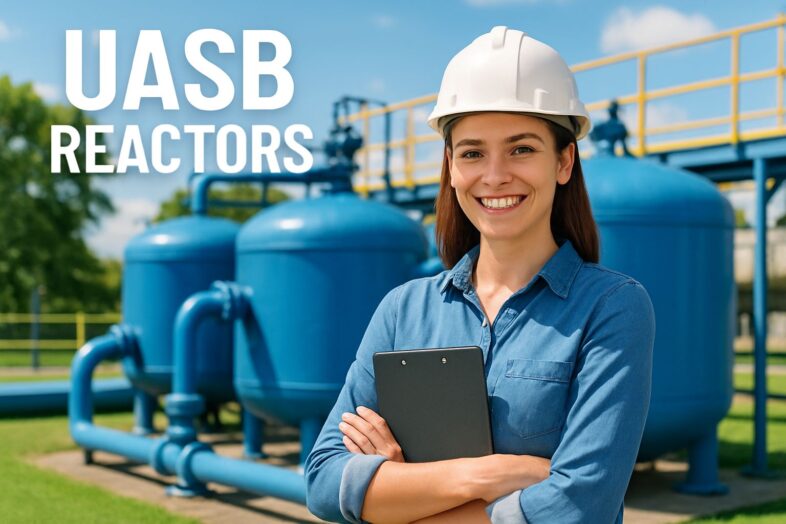
UASB Reactors vs. CSTR Digesters: Which Is Better for Industrial Wastewater Treatment?
UASB reactors and CSTR digesters are cornerstones in industrial wastewater treatment. Each has unique strengths: UASB shines in low-solids environments, while CSTR excels with high-solids streams. Choosing the right one means optimizing efficiency and costs. Learn where each technology truly excels and breaks down…
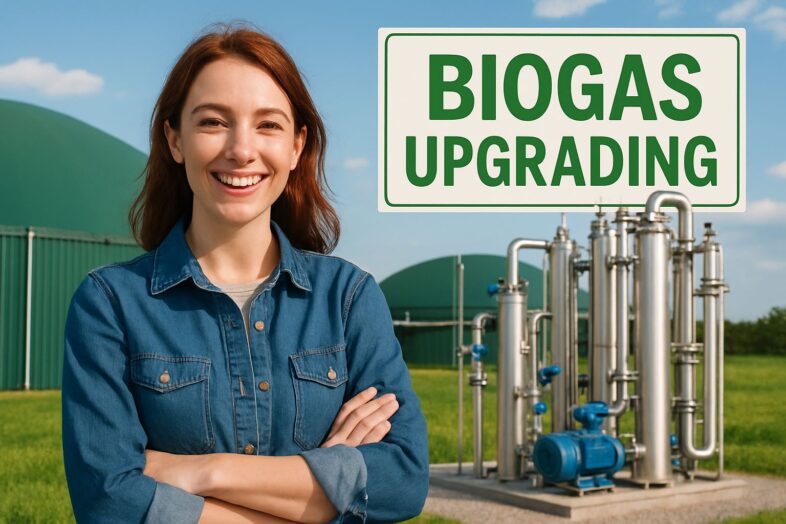
Landfill Gas to RNG Project Timeline: From Feasibility to First Gas Delivery
Landfill gas to RNG projects, taking 3-5 years, transform landfill gas into renewable energy. The process involves engineering, construction, and feasibility studies. With a higher energy yield than biogas electricity, these projects utilize cutting-edge technology for pipeline-ready biomethane production, proving efficient and sustainable energy solutions…
Starch Wastewater Treatment Processes Guide: Anaerobic Digestion & Alternatives
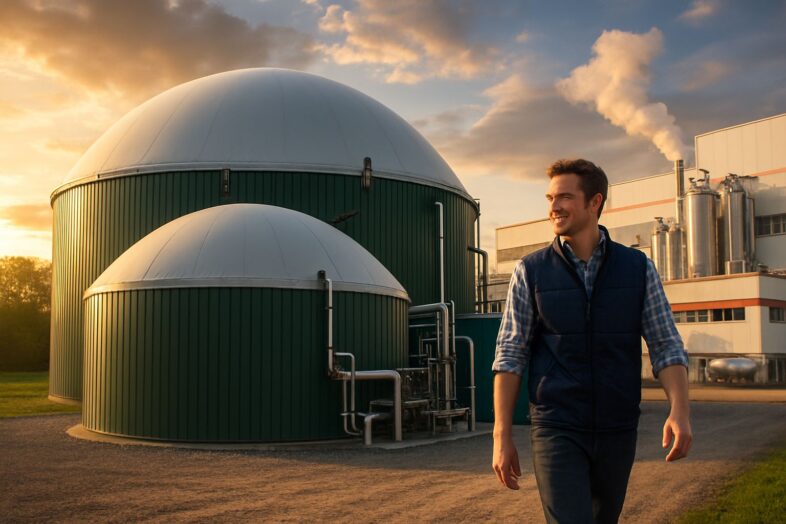
Starch wastewater is a high-organic-load effluent from starch production. Anaerobic digestion emerges as a top solution, achieving high COD removal while generating biogas. Advanced reactors handle massive volumes, but a combination of treatments tailored to specific criteria is key for effective management…
Dry Fermentation vs. Wet Anaerobic Digestion: Which Works Best for Municipal Solid Waste?
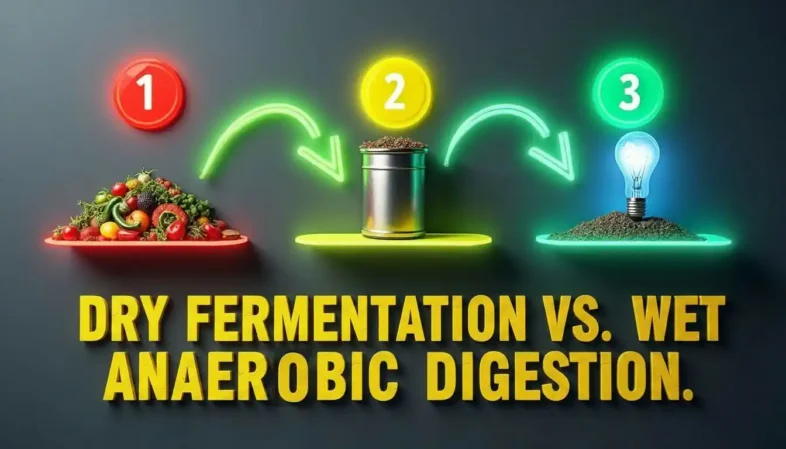
Comparing dry fermentation and wet anaerobic digestion for municipal solid waste treatment reveals key differences. Dry systems handle higher total solids and offer greater feedstock flexibility, while wet systems excel in energy and economic performance. The optimal choice depends on your specific waste stream and processing goals…

Covered Lagoon vs Plug Flow Digesters: Comparison Guide Released for Livestock Farmers
IPPTS Anaerobic Digestion releases a comparison guide evaluating covered lagoon and plug flow digesters for livestock biogas production, helping farmers match system capabilities to operational requirements and sustainability goals. Steve Last, publisher of this website, has released a comparison guide to help livestock farm owners evaluate two dominant technologies for on-farm biogas production: covered lagoon […]
Good Neighbours or Unwelcome Guests? How UK and US Communities View Biogas Plants Differently
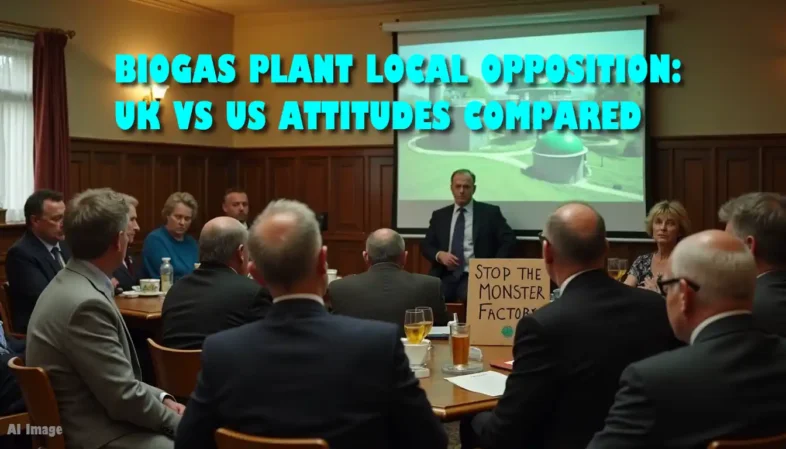
A landmark new survey published this week by the American Biogas Council (ABC) paints a remarkably positive picture of how Americans feel about living near biogas facilities. But cross the Atlantic to the UK, and a very different story emerges from planning committee rooms, parish council meetings and online petition campaigns. The contrast between US […]

